Inscryption has captivated gamers with its unique blend of card game mechanics, escape room puzzles, and psychological thrills. Many players diving into this critically acclaimed indie title often wonder: is Inscryption a horror game? This deep dive explores the various layers of fear, suspense, and unsettling atmosphere that permeate its narrative, evaluating its place within the horror genre. Beyond jump scares, Inscryption masterfully uses psychological dread, unsettling lore, and meta-narrative elements to create a truly disturbing experience. We will uncover how its shifting perspectives, mysterious characters, and dark secrets contribute to a pervasive sense of unease, making it a standout title for those seeking more than just a simple card game. This guide helps discerning gamers understand the horror elements, prepare for its unsettling journey, and decide if Inscryption aligns with their preferred gaming experience. It's not just about what you see, but what you feel as the game unravels its mysteries, challenging perceptions of what a horror game can be for busy adults balancing life and leisure.
Is Inscryption a straight horror game or something else entirely?
Inscryption defies easy categorization. While its core undoubtedly features strong horror elements, particularly psychological and meta-horror, it's equally a strategic deck-building roguelike with intricate escape-room style puzzles. This genre-bending approach is precisely what makes it so unique and unnerving, as players constantly question the reality of their situation.
What specific horror tropes does Inscryption utilize to scare players?
Inscryption masterfully employs several horror tropes. It leans heavily into psychological horror through its oppressive atmosphere, mysterious antagonist, and constant sense of being watched and manipulated. Meta-horror elements break the fourth wall, blurring the lines between the game and player reality. There's also a touch of body horror and unsettling creature design, contributing to a pervasive sense of dread rather than cheap scares.
Is Inscryption suitable for someone who dislikes intense jump scares?
Absolutely. If you're a gamer who enjoys psychological tension and unsettling narratives but shies away from frequent, loud jump scares, Inscryption is likely a good fit. It relies on a creeping sense of dread, disturbing visuals, and clever storytelling to create its fear, rather than cheap shocks. The occasional sudden event serves the narrative and is far from the primary horror mechanic.
How long will Inscryption keep me in suspense with its horror elements?
The horror in Inscryption is a consistent undercurrent throughout its entire playtime, though it evolves significantly. In the first act, the dread comes from the claustrophobic cabin setting and the enigmatic Leshy. As the game progresses and its meta-narrative unfolds, the horror transforms, becoming more existential and unsettling as you uncover deeper secrets. Expect an evolving, persistent sense of unease for most of your 12-15 hour playthrough.
Does playing Inscryption alone enhance its horror experience?
Yes, playing Inscryption alone, ideally in a dark room with headphones, significantly amplifies its horror elements. The isolation enhances the claustrophobic feeling of the first act and deepens the impact of the game's unsettling sound design and narrative twists. It truly becomes an immersive, personal experience that magnifies the psychological dread the game aims to create.
Will Inscryption's horror elements overshadow its card game mechanics?
Not at all. Inscryption masterfully balances its horror narrative with robust and engaging card game mechanics. The horror often serves to *enhance* the card game, making each decision feel more critical and every loss more impactful due to the high stakes established by the narrative. The two elements are intertwined, each benefiting from the other without one completely overshadowing the other.
Who developed Inscryption and are they known for other horror games?
Inscryption was developed by Daniel Mullins Games, an indie studio led by Daniel Mullins. He is renowned for creating unique, meta-narrative-driven games that often blend genres and feature unsettling, horror-tinged elements. His previous works, such as Pony Island and The Hex, also playfully break the fourth wall and incorporate dark, experimental themes, solidifying his reputation for innovative and often creepy game design.
Hey fellow gamers! Ever find yourself scrolling through game recommendations after a long day at work, looking for something that truly grabs you, but also worried about investing your precious limited time in something that might not hit the mark? We all know that feeling. With so many incredible titles out there, it is tough to decide, especially when a game like Inscryption comes along that defies easy categorization. You see the stunning visuals, hear the buzz, but then you wonder: is Inscryption a horror game? Will it be a relaxing card battler or a nightmare fuel session you are not prepared for after tucking the kids in?
For many of us, gaming is a vital way to unwind, connect with friends, or even sharpen our minds. Recent US gaming stats show that 87 percent of gamers play regularly, often spending 10 plus hours a week, with many balancing this passion alongside careers and family life. We want value for our time and money. That is why understanding exactly what kind of experience a game offers is crucial. Inscryption has been praised as a masterpiece, but its unsettling aesthetics and dark themes often lead players to ask if it truly falls into the horror genre. This guide is designed to cut through the hype, provide clear answers, and help you decide if Inscryption is the perfect blend of spooky and strategic for your gaming schedule.
We will dive deep into its mechanics, explore its unique horror elements, and help you understand what kind of scares to expect. No corporate jargon, just practical insights from a fellow gamer. By the end, you will have a clear picture of whether Inscryption is the next great game for your limited gaming hours, offering both strategic fun and a delightfully chilling narrative without any nasty surprises.
What Exactly Is Inscryption A Quick Overview for Busy Gamers
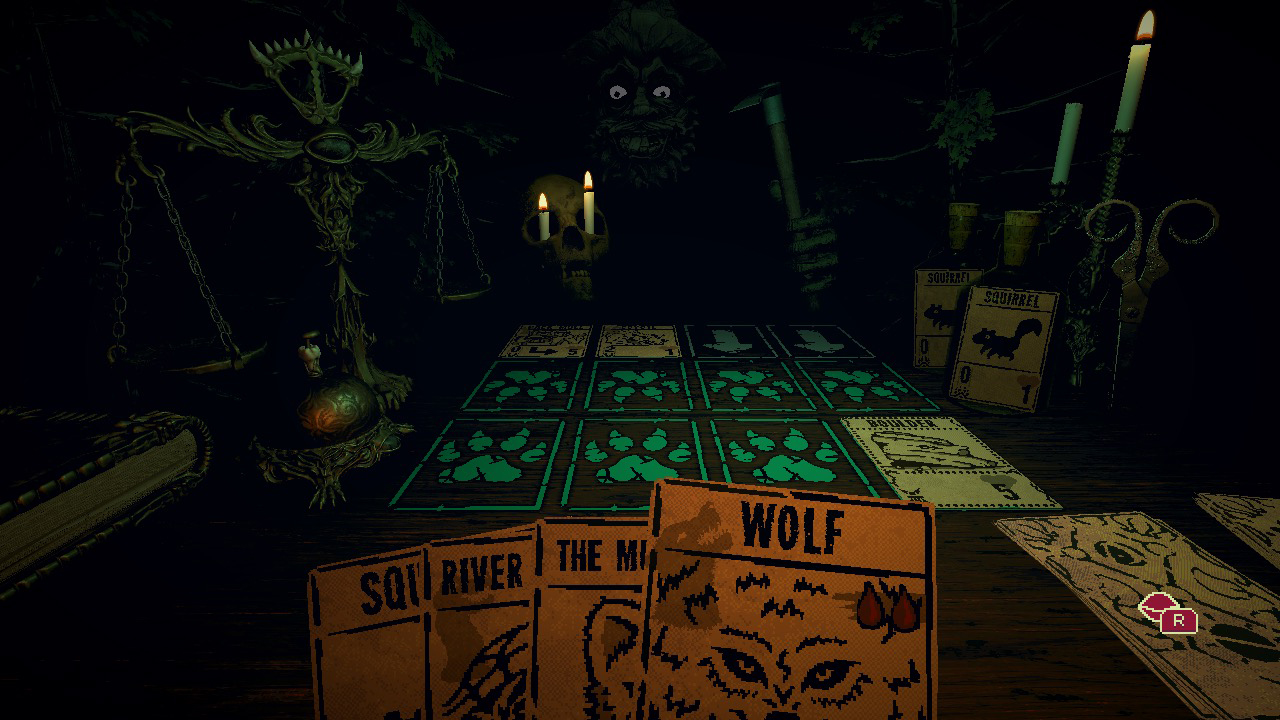
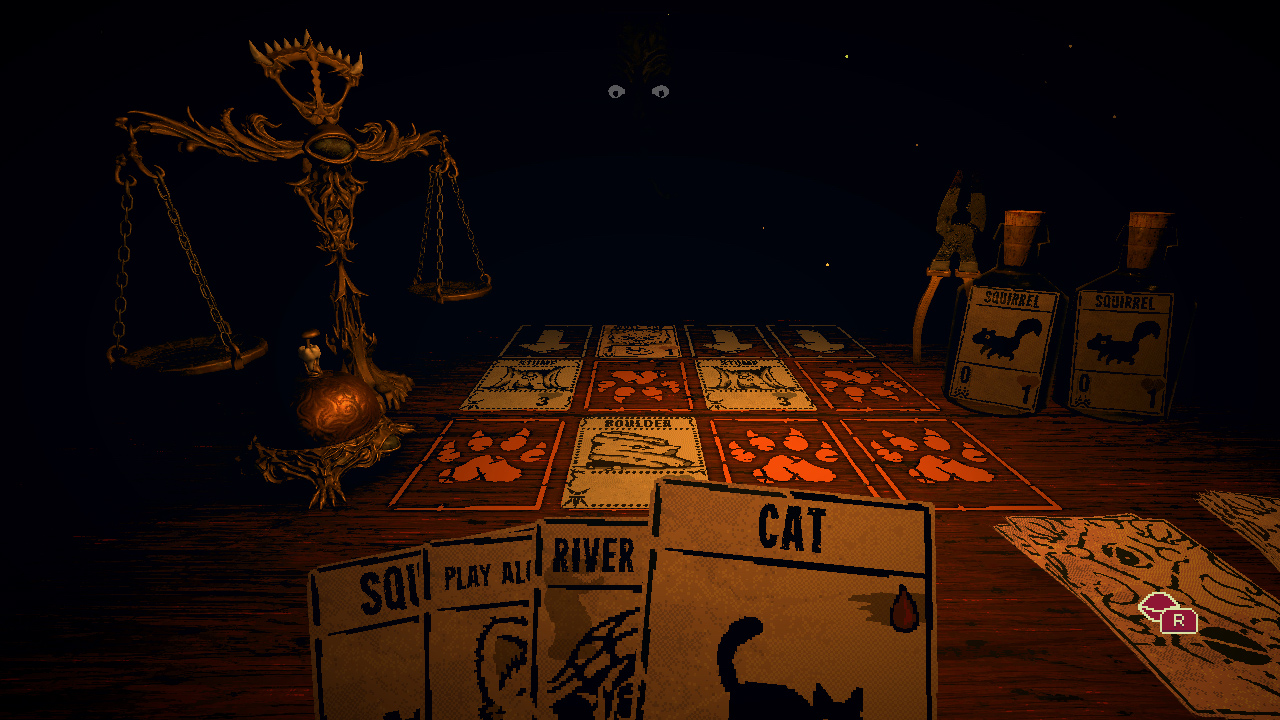
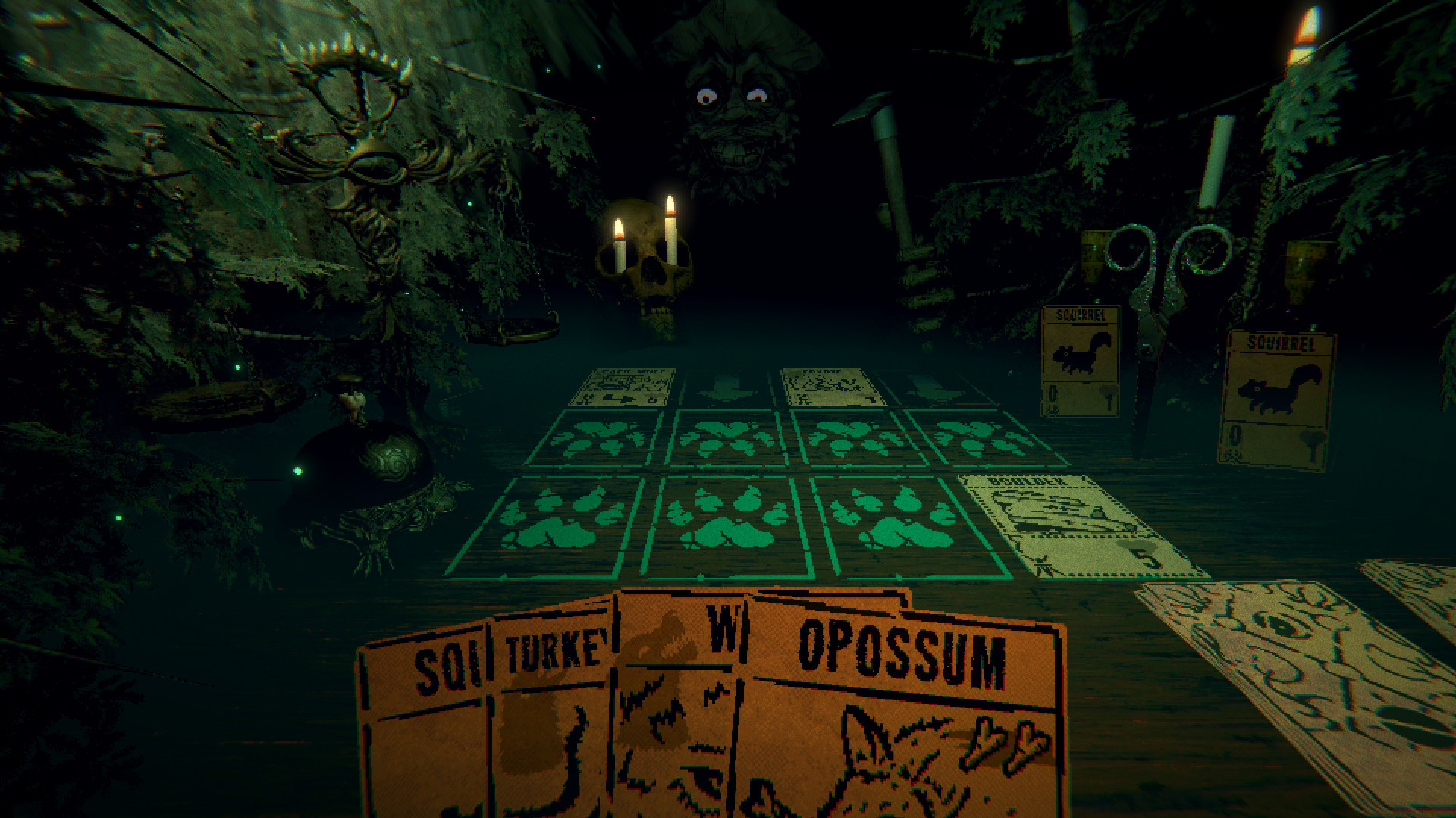
Before we tackle the horror question head-on, let us get a quick understanding of what Inscryption actually is. At its core, Inscryption is a unique blend of a roguelike deck-building card game, an escape room puzzle experience, and a narrative adventure that constantly shifts. You find yourself trapped in a dimly lit cabin, playing a mysterious card game against an enigmatic, shadowy figure named Leshy.
The gameplay loop involves building a deck of creature cards, battling through increasingly difficult encounters, and solving environmental puzzles within the cabin itself. These puzzles often reveal new cards, lore, or secrets that impact your progression in unexpected ways. What starts as a seemingly simple card game quickly unravels into something far more complex and unsettling, constantly subverting player expectations and evolving its own rules.
So Is Inscryption a Horror Game The Definitive Answer
Yes, Inscryption is indeed a horror game, but it is crucial to understand the *kind* of horror it delivers. It is not your typical jump-scare heavy slasher flick game. Instead, Inscryption masterfully utilizes psychological horror, atmospheric dread, and a deeply unsettling meta-narrative to create a pervasive sense of unease and fear. Think less 'boo' and more 'what on earth is going on, and why does this feel so wrong?'
Its horror elements are woven into the very fabric of the game, from the visual presentation and sound design to the evolving story and the interactions with its mysterious characters. The game blurs the lines between reality and fiction, making you, the player, feel directly implicated in its dark narrative. For busy gamers, this means a game that offers mental stimulation through strategy, but also a thrilling, thought-provoking narrative that sticks with you long after you have logged off.
What Kind of Horror Does Inscryption Deliver
Inscryption's horror is multifaceted and sophisticated, making it appealing to those who appreciate deeper scares. Let us break down the types of horror you will encounter:
- Psychological Horror: This is Inscryption's bread and butter. The game plays with your mind, creating a constant feeling of unease and paranoia. You are trapped, alone, and at the mercy of Leshy, whose presence is both intimidating and manipulative. The ambiguous nature of the story, the cryptic clues, and the feeling of being watched all contribute to this pervasive dread.
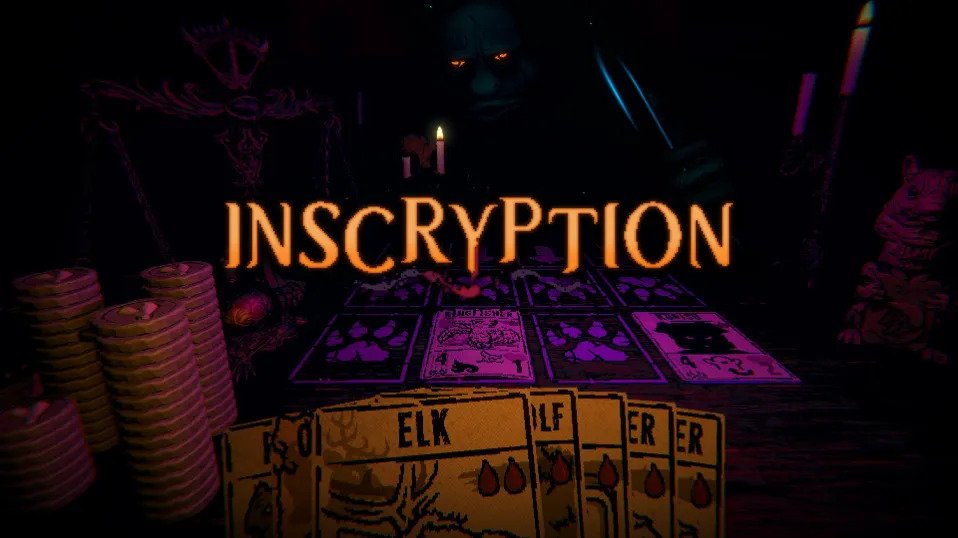
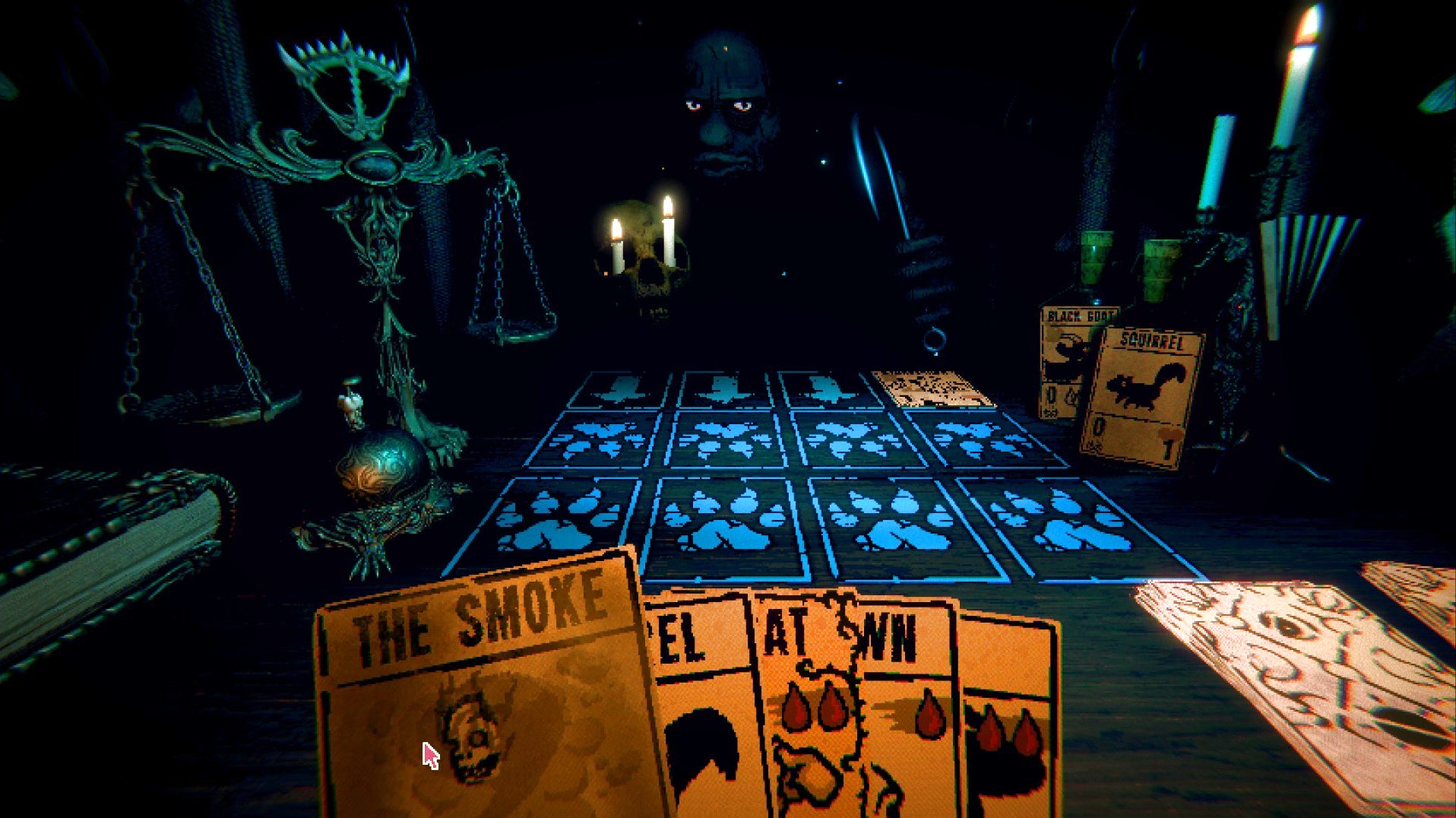
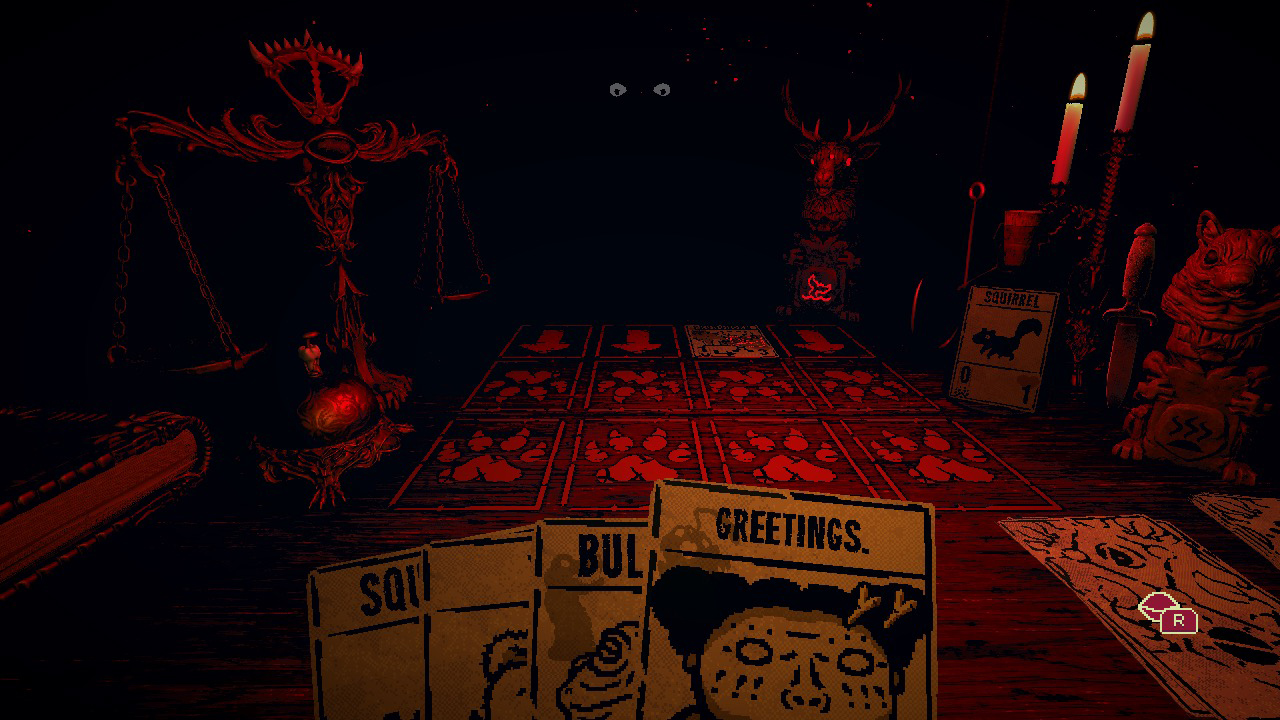
- Atmospheric Horror: The game's setting, especially in its first act, is a masterclass in atmosphere. The dark, cramped cabin, the flickering candlelight, the eerie sound design, and the unsettling visuals of the creature cards all work together to create a suffocating, claustrophobic environment that feels inherently threatening.
- Meta-Horror: This is where Inscryption truly shines and sets itself apart. The game frequently breaks the fourth wall, acknowledging its own existence as a game and drawing the player into its unfolding mystery. This blurring of lines between game and player reality is incredibly effective at creating a sense of existential dread and questioning what is real. It is a brilliant way to unnerve players who might think they are safe behind their screens.
- Body Horror (Subtle): While not graphically explicit, there are elements of implied body horror, particularly in the creature designs and some of the narrative twists. It is more about the unsettling implications and transformations rather than gratuitous gore, adding another layer of discomfort.
- Folk Horror: The rustic, isolated cabin setting, the creature cards reminiscent of taxidermied animals, and the primal, ritualistic feel of some of the game's elements evoke a sense of folk horror, tapping into ancient fears and superstitions.
Are There Jump Scares in Inscryption
If you are someone who actively avoids jump scares, you will be relieved to hear that Inscryption relies very sparingly on them. Unlike many modern horror games that pepper their playtime with sudden loud noises and visual shocks, Inscryption's horror is built on sustained tension, psychological manipulation, and atmospheric dread.
There are a few instances of sudden, surprising moments that might make you jump, but these are rare and serve the narrative rather than being cheap attempts at fear. They are impactful precisely because they are not overused. For a busy gamer looking for a deep, engaging experience without constantly bracing for a jump scare, Inscryption offers a much more cerebral and long-lasting form of horror.
How Does Inscryption Create Its Unsettling Atmosphere
Inscryption's atmosphere is a masterclass in subtle terror. It meticulously crafts an environment that feels both inviting and deeply menacing. Here is how it achieves this:
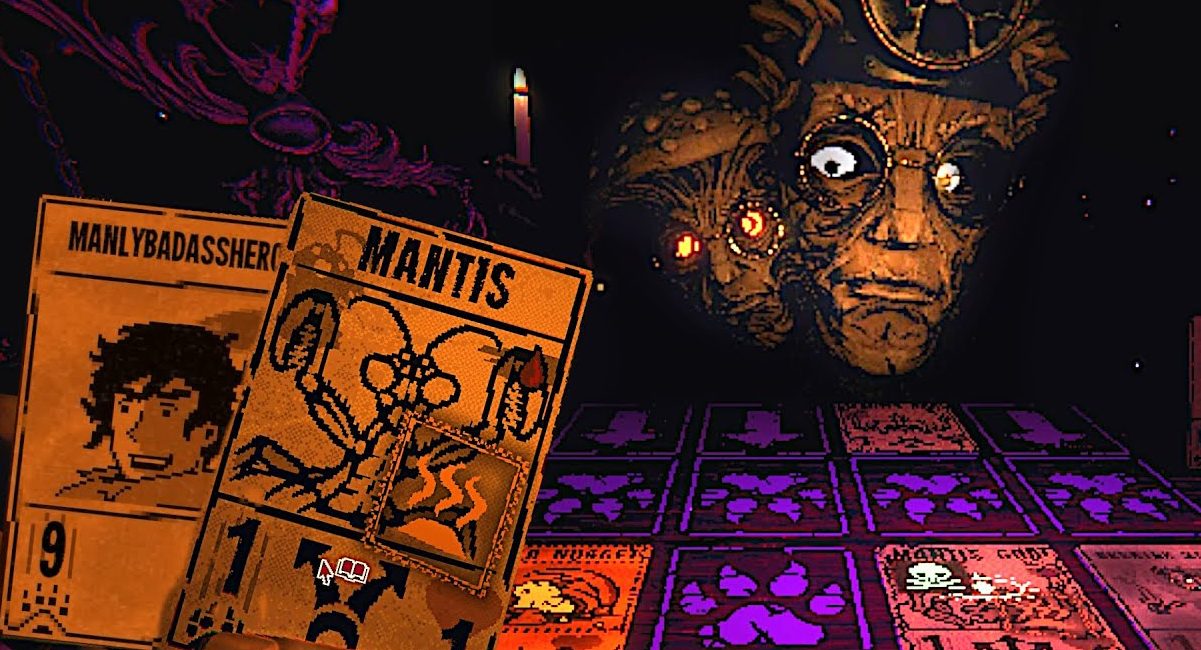
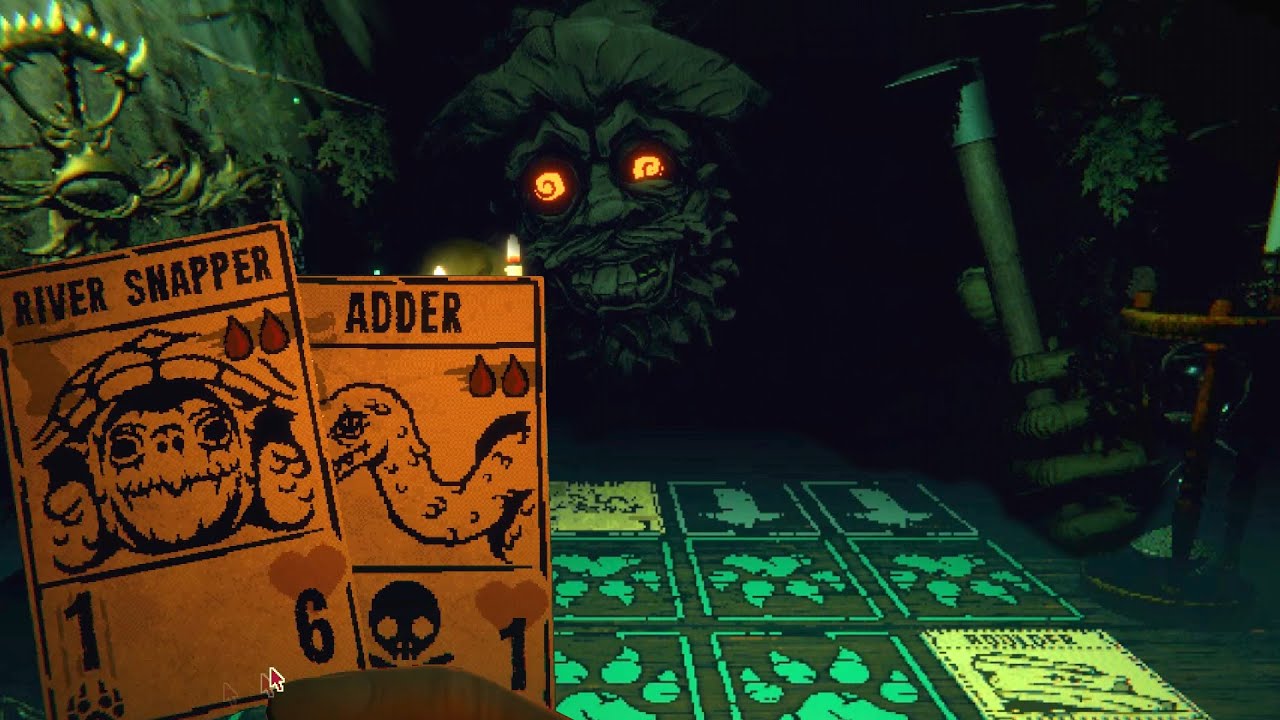
- Visuals: The game employs a distinct visual style that combines pixel art with unsettling, hand-drawn, almost crude illustrations for the cards and environments. This lo-fi aesthetic, combined with limited lighting and a grim color palette, creates a claustrophobic and decayed feel. The eyes of Leshy, constantly watching you, are particularly effective.
- Sound Design: This is arguably one of Inscryption's strongest horror tools. The ambient sounds of the cabin (creaking wood, animal noises), the eerie, minimalist soundtrack, and Leshy's deep, gravelly voice all contribute to a sense of isolation and dread. Every sound is carefully placed to heighten tension and make you feel truly alone with your enigmatic host.
- Storytelling and Pacing: The narrative unfolds slowly, revealing clues and mysteries at a deliberate pace. This controlled release of information keeps players guessing and invested, while the constant sense of something larger and more sinister at play fuels the unease. The game never fully explains everything upfront, letting your imagination fill in the terrifying blanks.
- Player Agency and Powerlessness: Despite being a strategic card game, there is a pervasive feeling of being trapped and powerless. You are literally a pawn in Leshy's game, and your failures have tangible, unsettling consequences. This lack of ultimate control contributes significantly to the horror, making every decision feel weighty and precarious.
Is Inscryption Too Scary for Casual Gamers
For the average gamer who enjoys a good story and strategic challenge but does not typically dive into hardcore horror, Inscryption is generally manageable. It is more disturbing and unsettling than outright terrifying. If you can handle suspenseful thrillers or games with dark themes, you will likely be fine.
The horror is intellectual and atmospheric, designed to make you think and feel uneasy, rather than scream. It is an experience you can digest in shorter sessions if needed, perfect for those evenings when you only have an hour or two. You will not be constantly bombarded with terror, but the lingering dread and mystery will certainly provide a thrilling escape from daily routines, a key reason 60 percent of gamers engage with their hobby.
Does Inscryption's Horror Impact Gameplay
Absolutely, Inscryption's horror elements are not just window dressing; they are deeply integrated into and enhance the gameplay experience. The stakes of the card game feel incredibly high because of the narrative context. Losing a battle against Leshy can have unsettling consequences that directly tie into the horror, such as losing your actual physical cards or even your virtual life force.
The feeling of being trapped in the cabin and desperately trying to escape fuels your strategic decisions. You are not just playing a card game; you are fighting for survival, piecing together a mystery, and attempting to outwit a powerful, enigmatic entity. This fusion of horror and mechanics elevates the entire experience, making every victory feel earned and every defeat feel genuinely impactful.
Beyond Horror What Other Genres Does Inscryption Blend
Inscryption is a true genre-bender, offering a rich tapestry of gameplay experiences beyond its horror core. Here is what else you can expect:
- Card Battler/Deck-Builder: This is the foundation. You collect, manage, and strategize with a unique set of creature cards, each with distinct abilities. Building an efficient deck is key to progression.
- Roguelike: Each playthrough in the first act is different. You choose paths on a map, encounter random events, and adapt your strategy. Death means starting over, but with progress in knowledge and sometimes meta-unlocks.
- Escape Room/Puzzle Game: The cabin environment itself is a giant escape room. You must interact with objects, solve riddles, and piece together clues to advance the narrative and uncover secrets.
- Narrative Adventure: At its heart, Inscryption tells a captivating, evolving story. The lore is deep, mysterious, and constantly unfolds in unexpected ways, keeping you hooked as you uncover the truth behind the game and its creator.
Why Do Gamers Love Inscryption's Unique Horror Blend
Inscryption's widespread adoration, especially among discerning US gamers, stems from its refusal to conform to genre norms. In an era where many games can feel formulaic, Inscryption offers genuine originality and creativity. Gamers, especially those who balance life and play, appreciate a title that respects their intelligence and offers something truly fresh.
Its ability to constantly surprise and subvert expectations, blending deeply strategic card play with genuinely unsettling horror and a meta-narrative that continues to evolve, makes it a frequent topic in gaming communities and Discord servers. It is a game that sparks conversation, encourages shared problem-solving for its puzzles, and delivers a memorable experience that few other titles can match. This originality is a huge draw for players who value staying current with innovative titles without falling for fleeting hype, offering solid value for their gaming investment.
Conclusion
So, is Inscryption a horror game? The answer is a resounding yes, but with the crucial caveat that it is a nuanced, psychological, and meta-narrative driven horror experience rather than a typical jump-scare fest. It is a brilliant blend of strategic card gameplay, intricate puzzles, and a deeply unsettling story that constantly surprises and challenges.
For busy gamers seeking a unique, engaging, and genuinely clever experience that will stick with them, Inscryption offers incredible value. It provides a thrilling escape, stimulates your mind, and delivers a distinct brand of horror that is both chilling and thought-provoking. If you appreciate innovation, a strong narrative, and atmospheric dread, then preparing your headphones for Leshy's cabin is highly recommended. What is your biggest gaming challenge when picking a new title? Comment below!
Frequently Asked Questions About Inscryption's Horror
Is Inscryption disturbing?
Yes, Inscryption can be quite disturbing, primarily through its psychological themes, unsettling atmosphere, and meta-narrative twists. It creates a pervasive sense of unease and dread, rather than relying on explicit gore, making it disturbing on a cerebral level.
Is Inscryption gorey?
Inscryption is not a gorey game in the traditional sense. While it has dark themes and implied body horror elements, it avoids gratuitous or realistic depictions of gore, relying instead on suggestion and unsettling visuals to create its horror.
How long is Inscryption?
A typical playthrough of Inscryption can range from 12 to 15 hours, depending on how quickly you solve its puzzles and adapt to its card game mechanics. However, its replayability and hidden secrets can extend your time with the game considerably.
Can I play Inscryption on console?
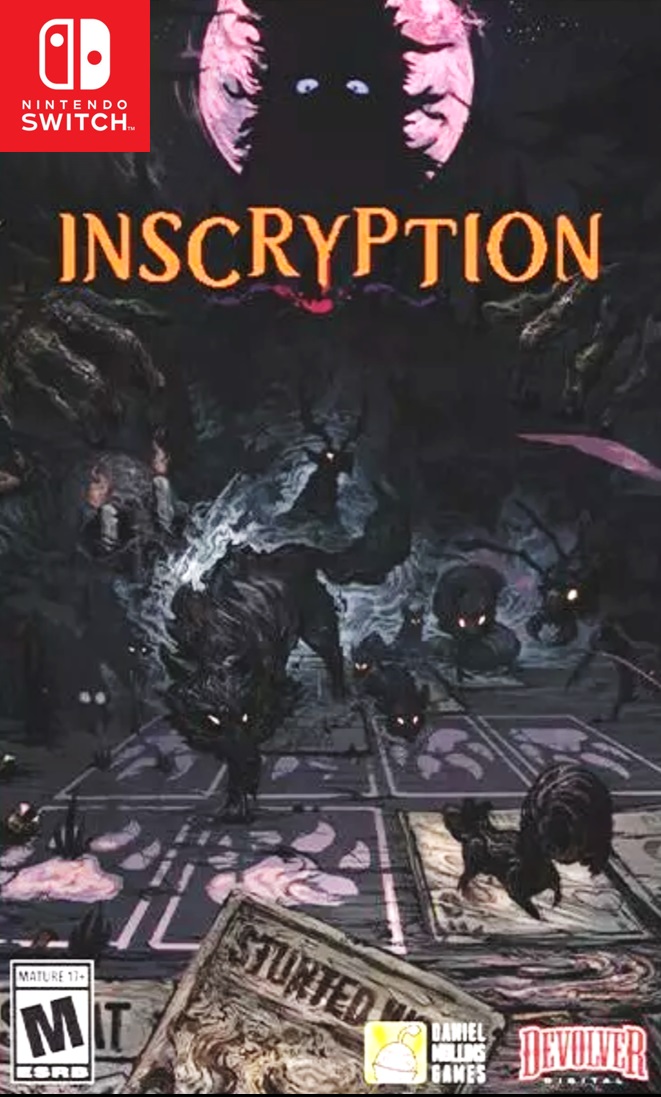
Yes, Inscryption is available on multiple platforms, including PC, PlayStation, Xbox, and Nintendo Switch. This broad availability makes it accessible for gamers who prefer playing on their chosen console, balancing gaming across devices with their busy lives.
Is Inscryption replayable?
Absolutely, Inscryption offers significant replayability. Beyond the main story, the game includes a separate roguelike mode called Kaycee's Mod, which provides endless challenges, new cards, and modifiers for fans of the card game mechanics and those seeking skill-building opportunities.
Is Inscryption an indie game?
Yes, Inscryption is a critically acclaimed indie game developed by Daniel Mullins Games. It showcases the immense creativity and innovation often found within the independent gaming scene, pushing boundaries in storytelling and game design.
What makes Inscryption's story so captivating?
Inscryption's story is captivating due to its constant evolution, meta-narrative elements that break the fourth wall, and deep lore that slowly unravels. It is a mystery that draws you in, making you question the nature of the game itself and what lies beneath its surface.
Genre blend of card game, roguelike, and psychological horror. Utilizes meta-narrative and fourth-wall breaks for unsettling effects. Features an evolving narrative that shifts gameplay styles. Relies on atmosphere, suspense, and existential dread over traditional jump scares. Dark, mysterious lore and disturbing characters enhance the horror experience. Offers deep strategic gameplay alongside its chilling story for a truly unique experience.
35

Inscryption Video Game TV Tropes Inscryption Boxart . Hra Inscryption Xbox Cloud Gaming Na Lokalite Xbox Com 7943 463e Aa3b A3a6 4744 9ca0. Inscryption Reviews Nintendo Switch 1 Switch Scores Sq 9019 Inscryption . Horror Themed Deckbuilder Inscryption Added To Xbox Game Pass Card Inscryption Front Cover 1024x576 . 40 Best Indie Horror Games To Play In The Dark In 2025 Compatible Inscryption Screenshot 1


Inscryption Part 1 The Critically Acclaimed Horror Card Game Of The . Inscryption Images LaunchBox Games Database E9905984 Fd43 4d3c A852 . Watch The Creepy Trailer For Horror Game Inscryption Inscryption Official Demo Trailer Nzsn.1200 . 24 Hours Of Halloween INSCRYPTION Is A Horror Game That Inscryption Cover . Games Beaten 2024 Page 22 Racketboy Com Ezgif 1 0b7c86e959


The Best Horror Games On PS4 And PS5 Guides Editorial PlayStation Best Horror Games Inscryption Thumbnail 01 En 03oct22. Inscryption Nintendo Switch Games Nintendo . Inscryption Download And Buy Today Epic Games Store Inscryption 1jn0w . Inscryption Game Giant Bomb 3296310 9799857891 Libra . Inscryption Nintendo Switch Games Nintendo


Inscryption Review A Horror Deckbuilder Like No Other Inscryption Review Main . Inscryption Review Nintendo Switch Qualbert Inscryption Full Banner 1170x740 . Inscryption Is A Twisted New Horror Deck Builder Launching Later This Year Inscryption . NEW HORROR CARD ROGUELIKE GAME OF THE YEAR Inscryption YouTube . Card Horror Inscryption S Free Mini Expansion Turns Act 1 Into An Deck Building Horror New Mini Expansion Turns Act 1 Into An Endless Rogue Like


Inscryption Don T Go To The Shadow Realm In A Horror Card Game By . Inscryption Clock Puzzle Solution Inscryption Cuckoo Clock Puzzle Solution Guide . A Horror Card Game Where The Cards Are ALIVE Inscryption YouTube . Inscryption Nintendo Switch Games Nintendo . Let S Play A Horror Card Game Inscryption Part 1 YouTube
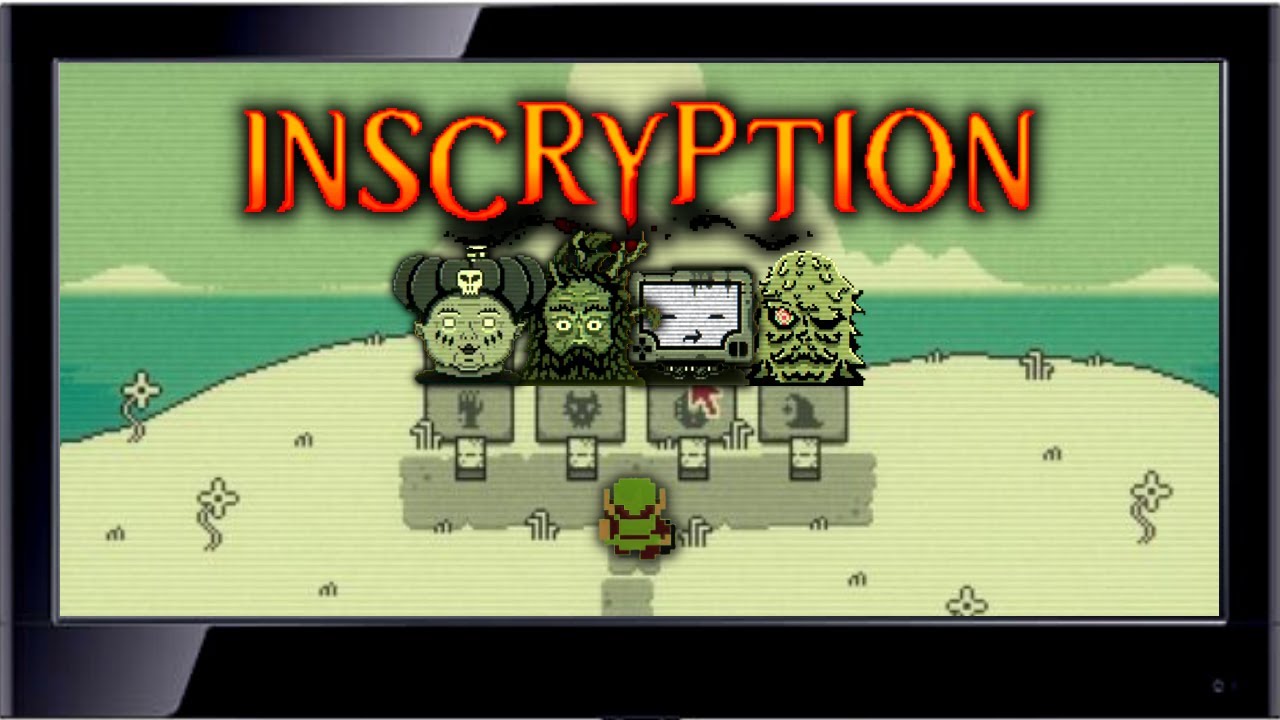


Inscryption A Card Horror Game Act 2 8 Bit World YouTube . Inscryption Game Free Download For PC Latest 2026 FileCR Image. Inscryption Game Free Download For PC Latest 2026 FileCR Image. Inscryption All Puzzle Solutions And Secrets Guide Game Truth 139090 Artworks Ar123g 1600x640 . Inscryption Game Free Download For PC Latest 2026 FileCR Image
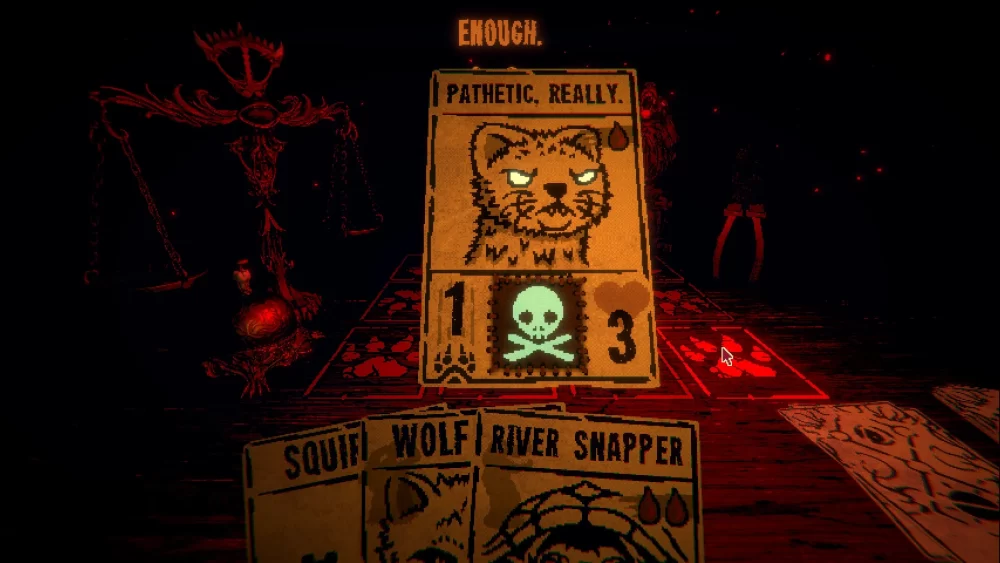
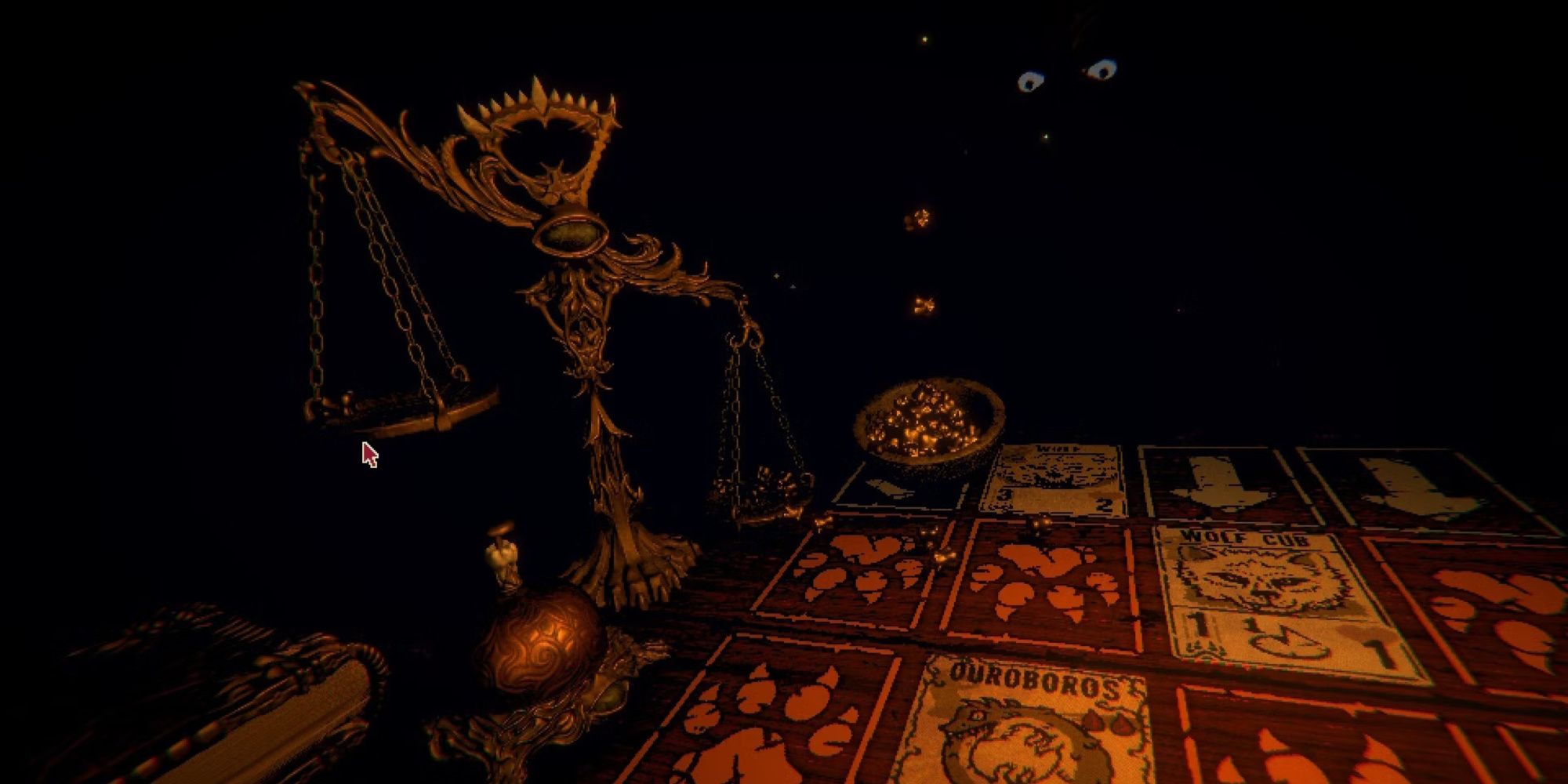
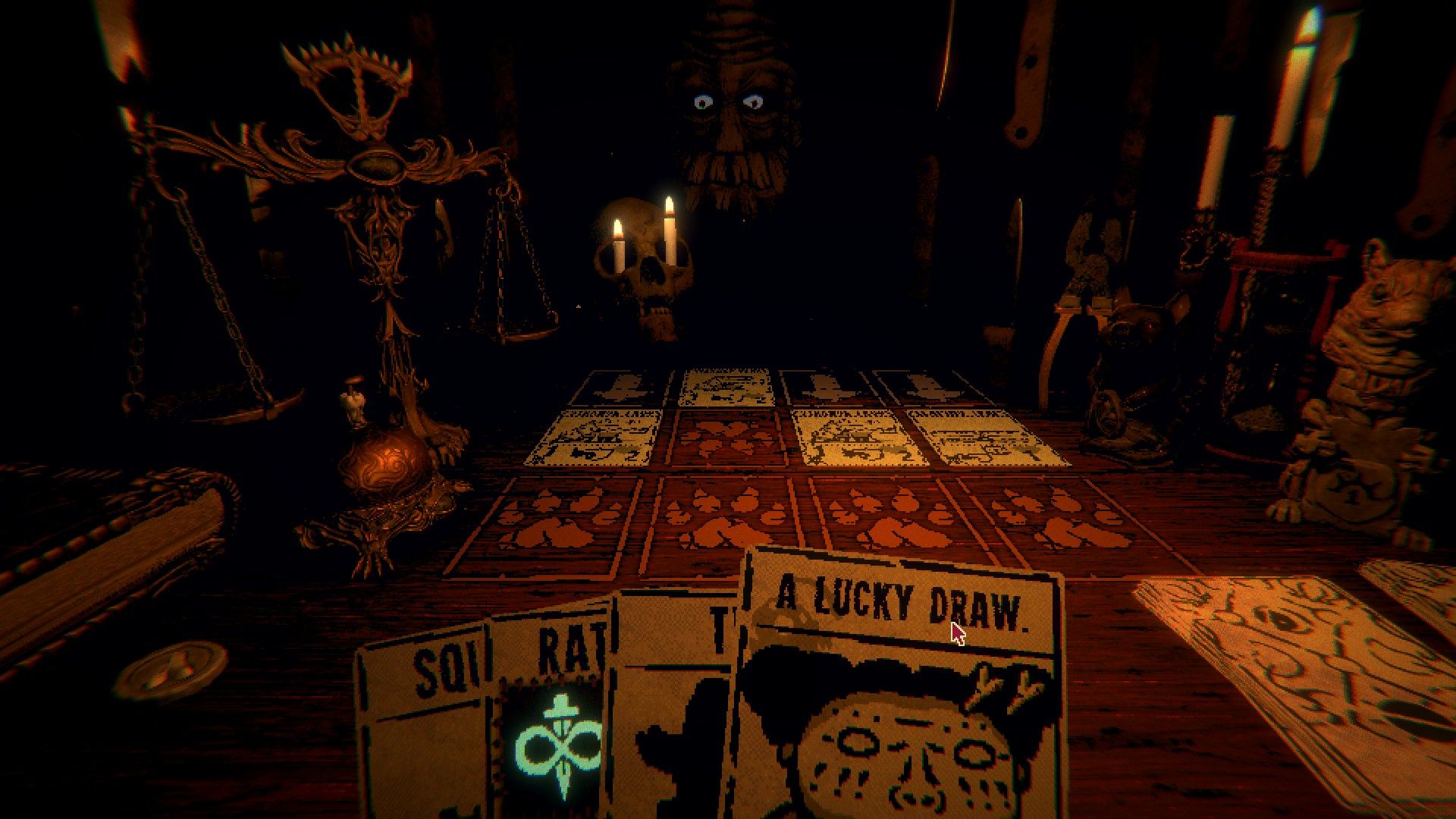


24 Hours Of Halloween INSCRYPTION Is A Horror Game That Inscryption 01. The Best Cryptic Horror Games Inscryption Overflowing Damage Being Caught In A Bowl . Inscryption Review A Horror Deckbuilder Like No Other Inscryption Review Boss . THE FIRST HORROR CARD GAME Inscryption 1 YouTube . Inscryption PC Steam Game Fanatical 5f2ae425 E980 46ef 8325